
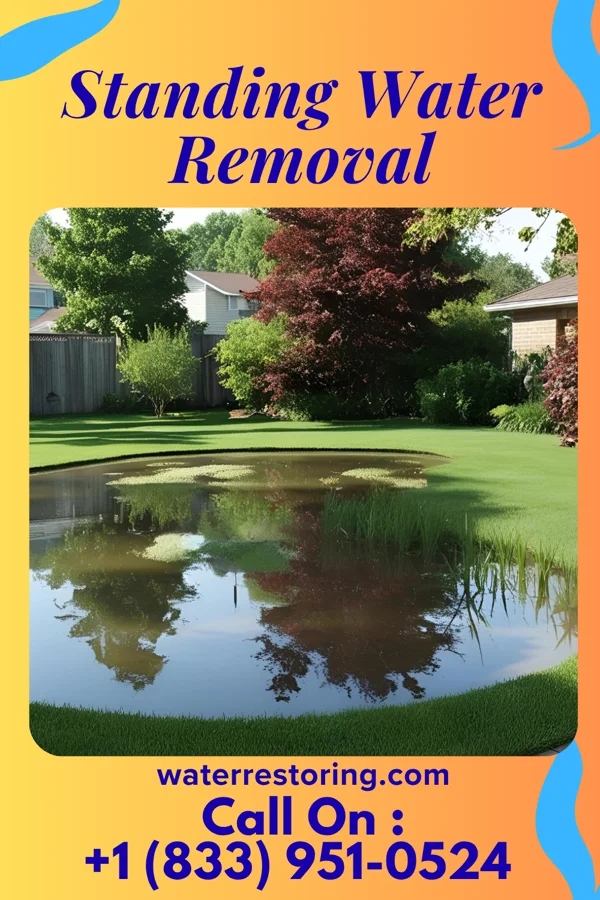
What Makes Austin Standing-Water-Prone
Living in Austin means dealing with flash flooding from severe thunderstorms and Onion Creek / Shoal Creek overflow events sooner or later. A close second is burst pipes during rare but extreme winter freezes, aging sewer infrastructure backups, appliance and HVAC condensate failures. The good news: water damage is fully recoverable when you catch it fast and bring in certified technicians.
Austin sits in the heart of Flash Flood Alley, a geographic corridor stretching across Central Texas where intense thunderstorms can drop 4–6 inches of rain in under two hours on rocky limestone terrain with minimal absorption capacity, sending water rushing into homes and commercial properties with little warning. The city's dramatic topography — with low-lying neighborhoods like Onion Creek, Garrison Park, and areas along Shoal Creek sitting in established floodplains — means standing water can accumulate inside structures within minutes of a major storm event. Additionally, Austin's periodic hard freezes, like the February 2021 Winter Storm Uri event, can burst water lines in thousands of homes simultaneously, creating a secondary mass-casualty water damage scenario that taxes every local restoration provider at once.
Most standing water removal calls in Austin come from flash flooding from severe thunderstorms and Onion Creek / Shoal Creek overflow events. Running a close second is burst pipes during rare but extreme winter freezes, aging sewer infrastructure backups, appliance and HVAC condensate failures. Local mold risk: Austin's summer temperatures routinely exceed 95–100°F combined with humidity levels that spike sharply during and after storm events, creating conditions where mold spores can begin colonizing wet drywall and subfloor materials within 48 hours of a standing water event. The city's construction boom over the past two decades has produced a large inventory of wood-frame homes with OSB sheathing and paper-faced drywall that absorbs moisture aggressively, allowing mold to penetrate wall cavities before any visible surface signs appear. With Austin's pollen and allergen levels already among the highest in the nation, adding a mold problem to an affected home can significantly worsen indoor air quality and pose serious health risks, making rapid extraction and structural drying a genuine medical-grade urgency.